What Is a Stye in the Eye?
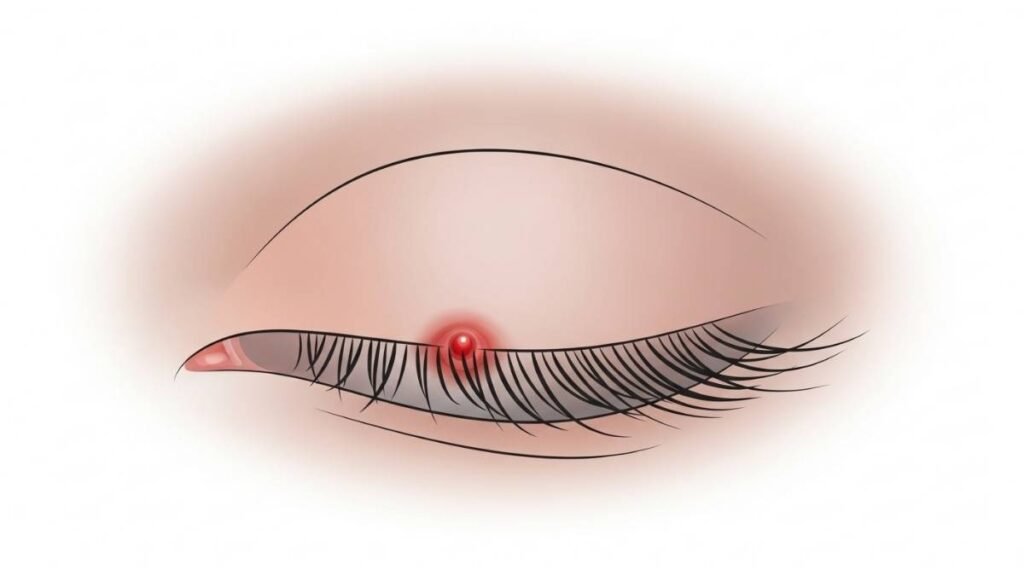
A stye is a small, tender lump that can form on the inside or outside of the eyelid. It usually appears as a red, swollen bump and may feel sore or irritated. Styes are common and often develop when an oil gland or hair follicle near the eyelid becomes blocked or irritated.
In many cases, a stye looks worse before it starts to improve, which can cause understandable concern.
Early Signs You May Be Getting a Stye
People often notice symptoms before the bump fully forms. These may include:
- Mild eyelid tenderness
- Redness along the eyelid edge
- Swelling in one specific spot
- A feeling of heaviness or irritation in the eye
Catching a stye early can help you manage discomfort more easily.
Common Causes of Eye Styes
Styes often develop due to:
- Blocked oil glands in the eyelid
- Touching eyes with unclean hands
- Eye makeup buildup or expired cosmetics
- Rubbing the eyes frequently
- Poor eyelid hygiene
They are usually not serious and are not considered dangerous in most cases.
How Styes Are Commonly Treated at Home
Most styes improve on their own within a few days to a couple of weeks. General care methods often recommended include:
Warm Compresses
Applying a warm compress to the closed eyelid can help improve comfort. This is commonly done for 10–15 minutes, several times a day, using a clean cloth and warm (not hot) water.
Keeping the Area Clean
Gently cleaning the eyelid area and avoiding eye makeup or contact lenses during this time may reduce irritation.
Avoid Squeezing the Stye
Trying to pop or squeeze a stye can increase irritation and may lead to complications. It’s best to let it heal naturally.
Pain and Discomfort Management
Mild discomfort is common with styes. Some people find relief by resting their eyes and avoiding strain. Over-the-counter pain relief may help with general discomfort, but it’s important to follow product instructions and consult a healthcare professional if unsure.
When a Stye May Need Medical Attention
You should consider seeing a healthcare provider if:
- The stye does not improve after several days
- Swelling or pain increases significantly
- Vision becomes affected
- The stye keeps returning frequently
- There is spreading redness around the eye
In some cases, a doctor may recommend additional treatment based on individual symptoms.
Can a Stye Be Prevented?
While styes can’t always be prevented, you may reduce risk by:
- Washing hands before touching your eyes
- Removing eye makeup thoroughly
- Avoiding old or shared cosmetics
- Keeping eyelids clean, especially if prone to irritation
⚠️ Medical Disclaimer (Important)
This article is for general informational purposes only and is not a substitute for professional medical advice, diagnosis, or treatment. Always consult a qualified healthcare provider for personal medical concerns.