Implantation Bleeding vs Period: Why the Confusion Happens
Many people feel confused when they notice spotting around 9–10 days past ovulation (DPO). This timing overlaps with both possible implantation bleeding and the early start of a menstrual period. Because symptoms can look similar, it’s natural to wonder what’s happening.
While implantation bleeding and a period are different processes, they can share overlapping signs such as spotting, mild cramping, and color changes. Understanding general differences may help you decide what to watch for next.
What Is Implantation Bleeding?
Implantation bleeding may occur when a fertilized egg attaches to the uterine lining. This can happen about 6–12 days after ovulation, which is why it sometimes overlaps with the expected period window.
General characteristics often described include:
- Light spotting (pink or light brown)
- Short duration (hours to 1–2 days)
- No heavy flow or clots
- Mild or no cramping
Not everyone experiences implantation bleeding, and its presence or absence does not confirm pregnancy.
What Does an Early Period Look Like?
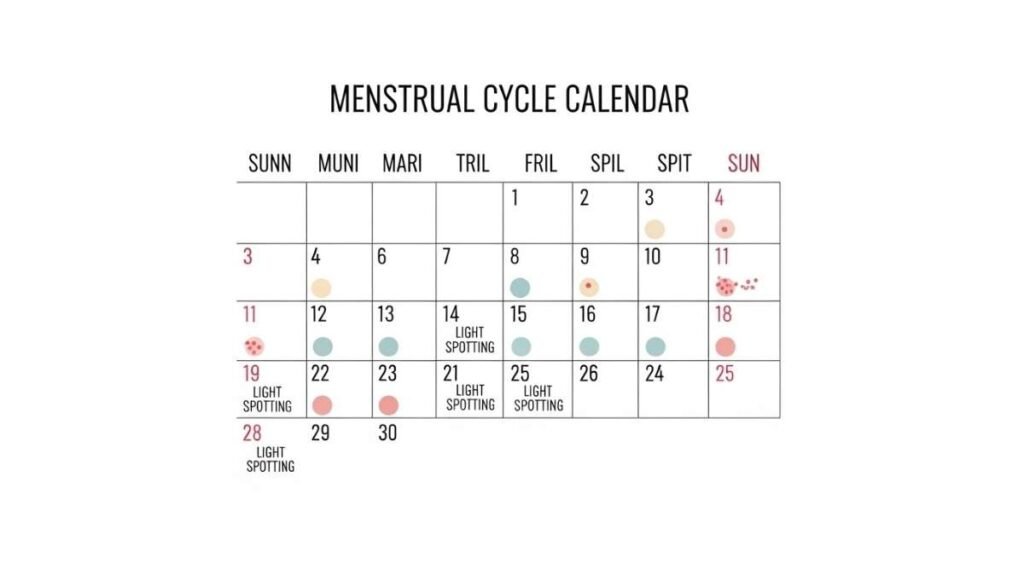
An early or starting period can sometimes begin with light spotting before becoming heavier.
Common features include:
- Color changing from pink or brown to red
- Flow becoming heavier over time
- Cramping similar to past periods
- Bleeding lasting several days
If bleeding continues to increase or follows your usual period pattern, it is more likely menstrual bleeding.
Spotting at 9–10 Days Past Ovulation: What It Could Mean
At 9–10 DPO, spotting could be:
- Implantation-related
- The beginning of a period
- Hormonal fluctuation
- Stress-related cycle changes
Basal body temperature staying elevated can happen for several reasons and does not alone confirm pregnancy.
Can Symptoms Alone Confirm Implantation?
No. Symptoms like spotting, cramps, or back pain cannot confirm implantation or pregnancy on their own. These signs overlap significantly with normal menstrual changes.
The only reliable ways to confirm pregnancy are:
- A pregnancy test (timed correctly)
- Medical evaluation if needed
Testing too early may give unclear results.
When You Should Speak With an OB-GYN
You should consider contacting a healthcare professional if:
- Bleeding becomes heavy or painful
- Spotting lasts several days without clarity
- You have severe cramps, fever, or unusual symptoms
- Your cycle feels very different from normal
A doctor can provide guidance specific to your health history.
Key Things to Remember
- Implantation bleeding is usually light and brief
- Period bleeding typically increases over time
- Timing alone does not confirm either
- Medical confirmation is always the most reliable
⚠️ Medical Content Disclaimer (Important)
This article is for general informational purposes only and does not replace professional medical advice, diagnosis, or treatment. Always consult a qualified healthcare provider with personal health concerns.